Edge of the Continent: Solitude and High Passes in Southern Chile
Authored by Editorial Guild • Issued January 2025 • Documented in Magallanes
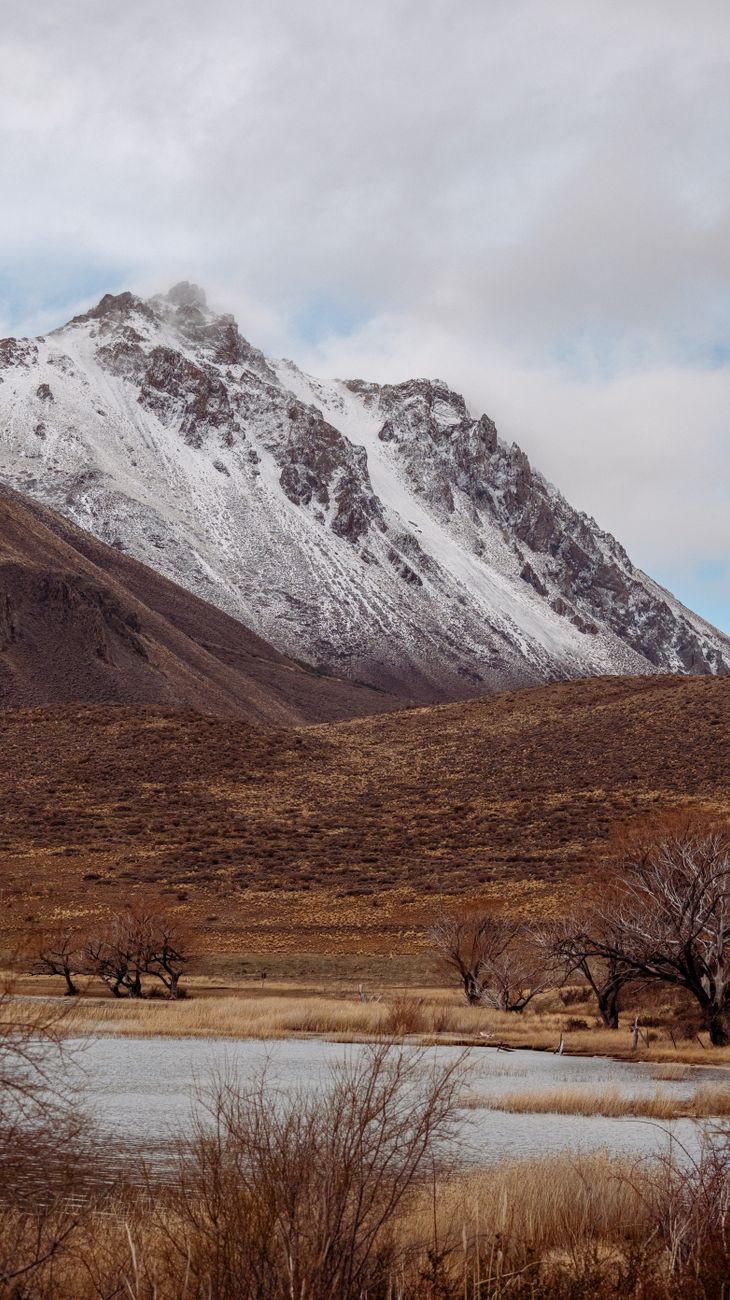
The granite pinnacles of Chilean Patagonia bathed in the amber warmth of subantarctic dusk.
Table of Contents
1. The Wind: An Unceasing Metaphysical Presence
Anyone who has walked across the steppes of Southern Chile understands that the wind here is not merely an atmospheric condition; it is a physical entity that demands compliance. Roaring off the Southern Patagonian Ice Field unobstructed across thousands of miles of southern ocean, it bends Antarctic beech trees (lenga) into permanent contortions.
To traverse this landscape on foot is to strip away all extraneous distraction. The hum of civilization disappears, replaced by the howling gale against silnylon shelters and the crystalline crunch of shale under lugged leather boots.
2. Granite Spires and Ancient Glacial Moraines
Geologically, Patagonia represents one of earth's most dramatic collisions between tectonic subduction and intense glacial sculpting. The granite towers of the Paine massif and Fitz Roy range are plutonic laccoliths exposed after millions of years of ice age scouring.
Along the margins of the Grey and Dickson glaciers, turquoise meltwater lakes carry icebergs of impossible blue density. The traveler encounters silence interrupted only by the sudden thunder of serac collapses tumbling into the milky abyss.
3. Backcountry Autonomy: Essential Preparation
Venturing beyond established tourist circuits demands methodical discipline. Weather shifts from pristine sun to blinding snow squalls in under twenty minutes, even in midsummer.
- Layering Strategy: Pure merino thermal baselayers paired with impenetrable three-layer storm shells.
- Anchor Protocol: Redundant stake setups with deadman snow and rock anchors for tent stability.
- Navigational Redundancy: Printed topographic maps and magnetic compass backups complementing satellite beacons.
4. Fragile Steppes and Conservation Protocols
Wildfire is the supreme ecological danger in Chilean national parks. A single discarded spark can consume thousands of hectares of slow-growing lenga forest that takes centuries to regenerate in subpolar soils. Travelers must operate camping stoves exclusively inside designated shelters, pack out all sanitary and nutritional waste, and avoid creating informal braided tracks across vulnerable peat bogs.
Planning a High Latitude Expedition?
111111 compiles specialized seasonal route dossiers and shelter registries across Chile and Argentina.
Inquire With Expeditions Desk